%2Ffit-in%2F250x250%2Fguide_websites%2F18987%2Fimages%2F1744241961705resized-image-promo-removebg-preview.png&w=1920&q=100)
/users/711197c6-0797-47c8-b6e7-7e5228e4f45d/ratecard/9decb243-104a-4cbe-bb15-a2498e06c83a.jpeg)
%2F300x300%2Fusers%2F711197c6-0797-47c8-b6e7-7e5228e4f45d%2Fratecard%2F9decb243-104a-4cbe-bb15-a2498e06c83a.jpeg&w=256&q=75)
%2F300x300%2Fusers%2F711197c6-0797-47c8-b6e7-7e5228e4f45d%2Fimages%2Fanglers-reel-in-redfish-point-3131.jpeg&w=256&q=75)
%2F300x300%2Fusers%2F711197c6-0797-47c8-b6e7-7e5228e4f45d%2Fimages%2Fbest-catch-point-comfort-3277.jpeg&w=256&q=75)
%2F300x300%2Fusers%2F711197c6-0797-47c8-b6e7-7e5228e4f45d%2Fimages%2Ffishing-trip-tx-2342.jpeg&w=256&q=75)
%2F300x300%2Fusers%2F711197c6-0797-47c8-b6e7-7e5228e4f45d%2Fimages%2Ftarpon-fishing-tx-3152.jpeg&w=256&q=75)
%2F300x300%2Fusers%2F711197c6-0797-47c8-b6e7-7e5228e4f45d%2Fimages%2Ffishing-point-comfort-2515.jpeg&w=256&q=75)
%2F300x300%2Fusers%2F711197c6-0797-47c8-b6e7-7e5228e4f45d%2Fimages%2Fbest-great-fishing-tx-2754.jpeg&w=256&q=75)
%2F300x300%2Fusers%2F711197c6-0797-47c8-b6e7-7e5228e4f45d%2Fimages%2Fafrican-pompano-fishing-point-comfort-3209.jpeg&w=256&q=75)
%2F300x300%2Fusers%2F711197c6-0797-47c8-b6e7-7e5228e4f45d%2Fimages%2Ftarpon-fishing-tx-2732.jpeg&w=256&q=75)
%2F300x300%2Fusers%2F711197c6-0797-47c8-b6e7-7e5228e4f45d%2Fimages%2Fspotted-weakfish-point-comfort-3136.jpeg&w=256&q=75)
%2F300x300%2Fusers%2F711197c6-0797-47c8-b6e7-7e5228e4f45d%2Fimages%2F6-spotted-weakfish-tx-3384.jpeg&w=256&q=75)
Offshore Snapper Wreck Fishing Tightlines Guide
 Port O'Connor, TX
What you will be catching:
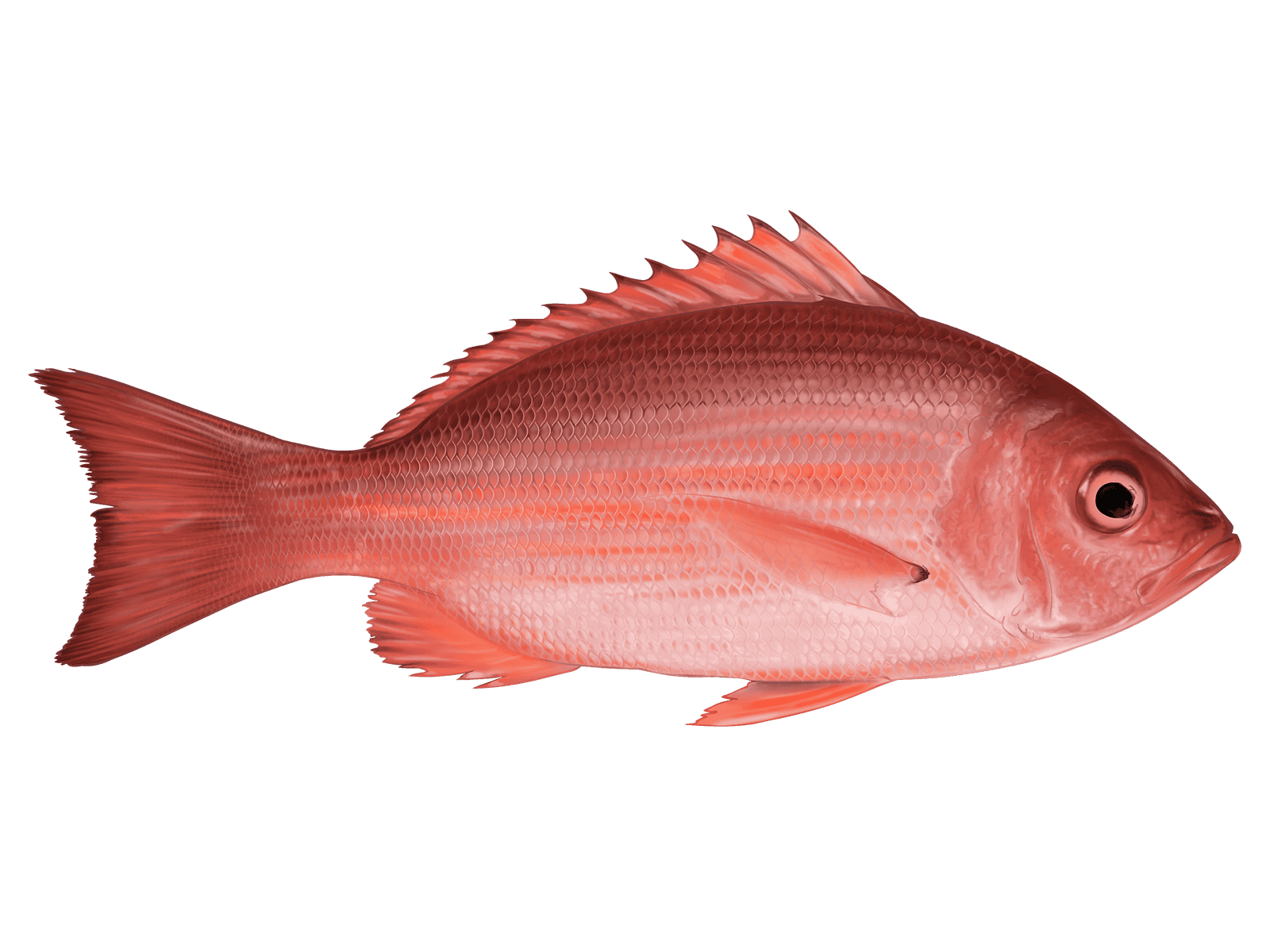
 Red Snapper
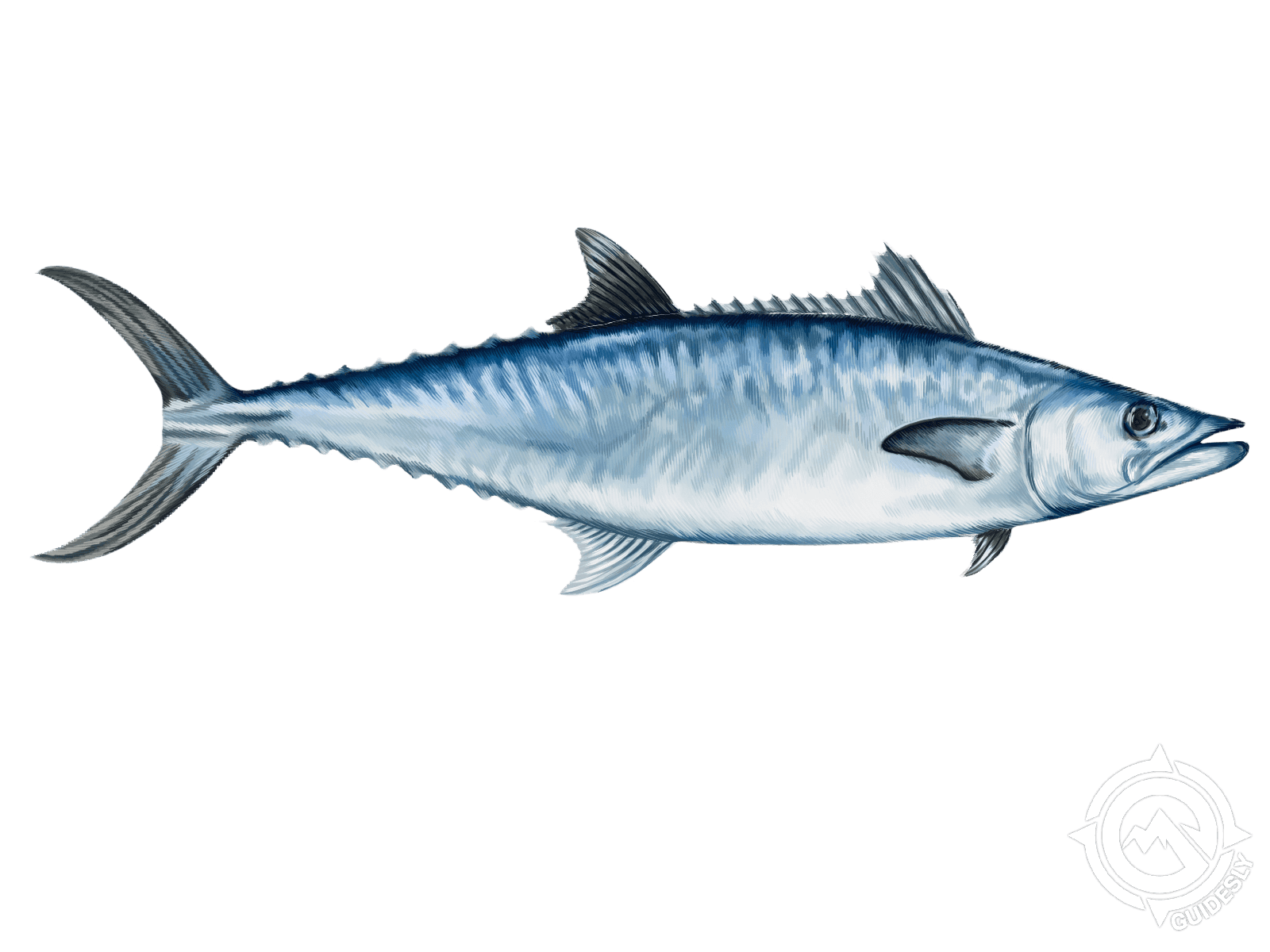
 King Mackerel
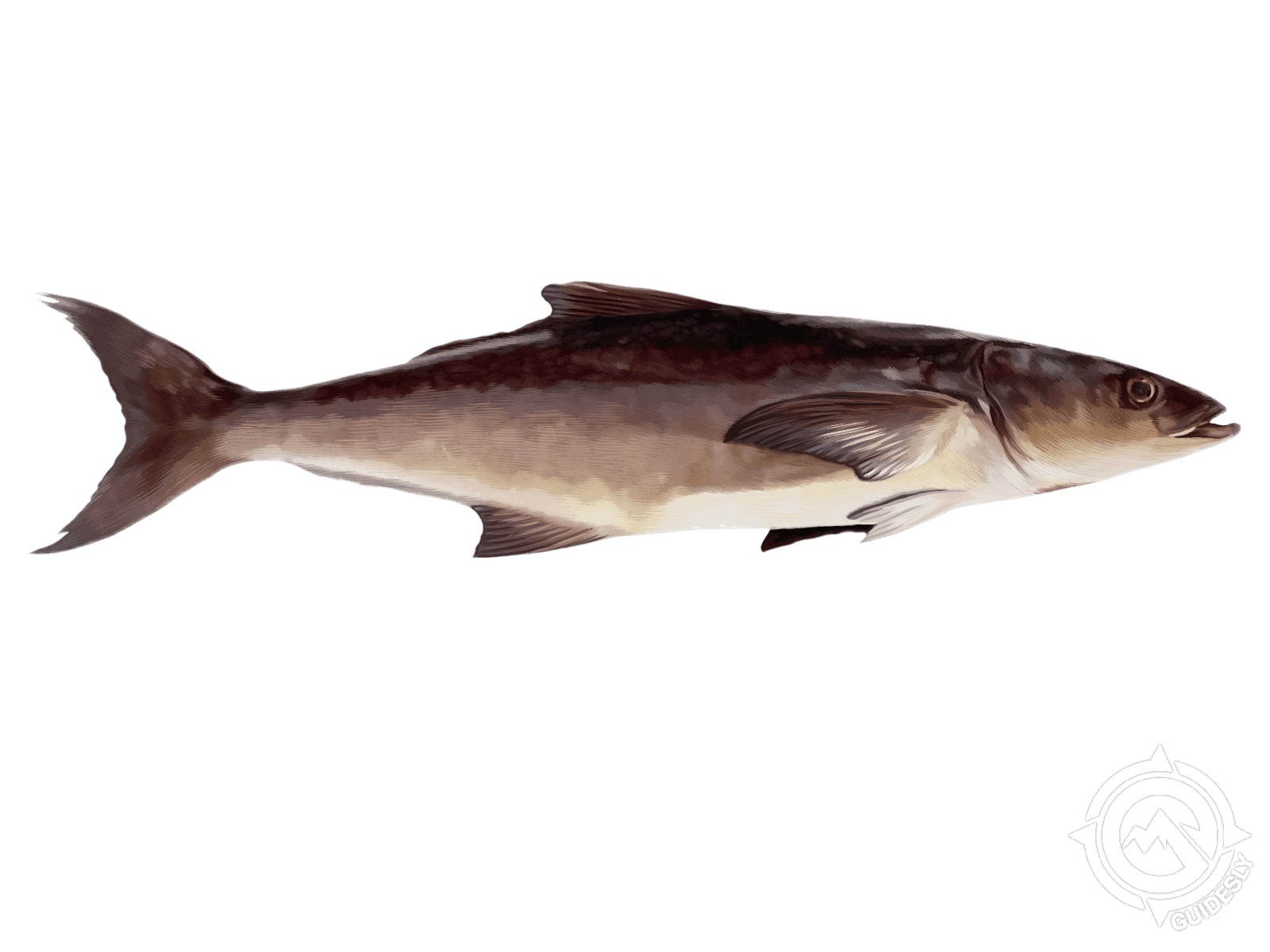
 Cobia
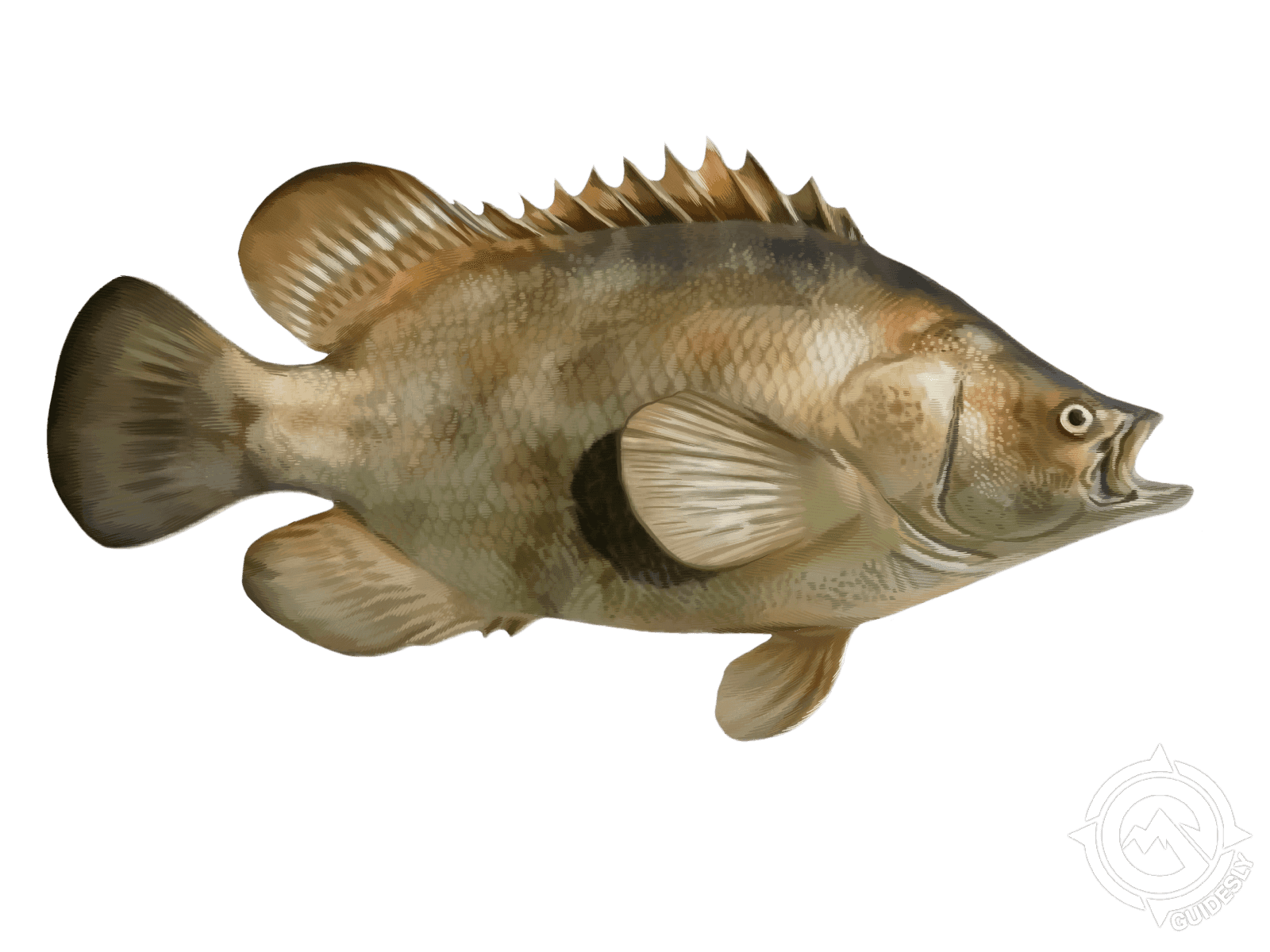
Cobia Tripletail
- Target red snapper 6-9 miles offshore with consistent action
- Prime season July-March for trophy fish up to 20+ pounds
- Weather-dependent trips with flexible inshore backup options available
Trip Pricing and Availabilities:
Snapper Fishing: Open Water Action
When you're ready to leave the shallow stuff behind and chase some serious fish, our snapper trips are where the real action happens. We're talking 6-9 miles offshore where the big boys live, and trust me, once you feel that first snapper slam your bait, you'll understand why anglers get hooked on these trips. From July through March, we're running these offshore adventures, and while the fishing stays hot year-round, those cooler months give you the best shot at landing a trophy red snapper pushing 20+ pounds. Just keep in mind - Mother Nature calls the shots out here, so we need calm seas and light winds to make the run safely.
What to Expect on the Water
This is the kind of fishing that keeps your rod bent all day long. We're not chasing one particular species - we're hitting productive bottom structure where multiple fish species hang out, so you never know what's going to grab your line next. The primary target is red snapper, but don't be surprised when a kingfish screams off drag or a cobia cruises up to check out the boat. Mangrove snapper, Spanish mackerel, and tripletail all call these same waters home, which means non-stop variety and constant action. Weather plays a huge role in these trips since we're running several miles offshore. If conditions get sketchy, we'll pivot to an inshore trip so you're still getting out on the water - just closer to home where it's safer and more comfortable.
Bottom Fishing Techniques
We're fishing structure and wrecks where these fish stack up, using techniques that have been proven to work in these specific waters. Most of the time, we're dropping baits straight down to the bottom using enough weight to stay connected in the current. Circle hooks are standard for snapper fishing - they hook fish in the corner of the mouth and reduce deep hooking, which is better for the fish and better for you when it's time to land them. When kings and cobia show up, we might switch tactics and throw some live bait or work some artificials, but the bread and butter technique is good old-fashioned bottom fishing. The key is reading the electronics, finding the structure, and positioning the boat so your baits are in the strike zone where these fish are feeding.
Species You'll Want to Hook
Red snapper are the stars of the show out here, and for good reason. These fish are aggressive feeders with serious pulling power, and when you hook into a big one, you'll feel every bit of that fight from the bottom to the boat. July through March gives you the longest season to target them, with the cooler months producing some true giants. A 15-20 pound red snapper is a fish you'll remember for years, and the eating doesn't get much better.
King mackerel add a completely different dimension to these trips. When a king hits your bait, you'll know it immediately - they're fast, they jump, and they'll test your drag system like no other fish. These fish are here year-round but really turn on during the warmer months. They're perfect for anglers who want that adrenaline rush of a screaming reel and a fish that won't quit fighting until it's in the boat.
Cobia are the wild cards that make every trip interesting. These fish are curious by nature and will often swim right up to the boat to investigate. They're strong fighters with broad shoulders and stamina that'll surprise you. Sight fishing for cobia when they show up near the surface is some of the most exciting fishing you'll find in these waters. They're not always around, but when they are, get ready for a battle.
Tripletail might be the most unique fish you'll encounter on these trips. They're ambush predators that like to hang around floating debris or structure, and they're absolutely delicious on the table. They fight hard for their size and have this habit of rolling and bulldogging that makes them trickier to land than you might expect. Finding tripletail is often about being in the right place at the right time, which makes catching one even more satisfying.
Time to Book Your Spot
These offshore snapper trips deliver the kind of fishing that keeps you coming back for more. With multiple species, consistent action, and the chance at some real trophy fish, it's easy to see why this is one of our most popular offerings. The combination of technique, location, and variety makes every trip different, and the cooler months ahead are prime time for those bigger fish everyone's after. Weather permitting, we're ready to put you on some serious fish that'll have you talking about this trip long after you're back on dry land. Don't wait too long to book - the good fishing windows fill up fast, and you don't want to miss out on what could be the best fishing day of your season.
Learn more about the species
Red Snapper
Red snapper are the bread and butter of our offshore trips - bright red fish that average 3-8 pounds but can push 20+ during cooler months. They live on hard bottom and structure in 30-100 feet, hugging the reef tight. July through March gives you the best shot at bigger fish when they're most active. Snapper fight hard and will try to cut your line on the bottom structure, plus they're hands-down some of the best eating fish in the Gulf. The meat is sweet, flaky, and mild - perfect for any cooking style. Key tip: use circle hooks and keep steady pressure when fighting them. Don't give them slack or they'll wrap you around the reef and break off. Fresh squid or cigar minnows work great for bait.
King Mackerel
King Mackerel are fast, aggressive fish that average 20-30 pounds but can hit 40+ in our waters. You'll find them cruising 6-9 miles offshore in 40-150 feet, especially around structure and current breaks. They're most active during cooler months when baitfish are thick. Kings are pure speed - they'll rip line off your reel and jump like crazy when hooked. The meat is rich and flaky, though watch the mercury if you're pregnant. They've got razor-sharp teeth, so use a wire leader. Pro tip: when trolling, use a stinger hook behind your main bait - these fish love to bite the tail end of live bait and you'll miss a lot of strikes without it.
Cobia
Cobia are powerful, brown-colored fish that look like sharks until you see that single dorsal fin. They typically run 30-50 pounds and fight like freight trains once hooked. You'll spot them cruising near the surface around structure, buoys, or floating debris in 30-70 feet of water. Spring through fall is prime time when they're moving through our area. What makes cobia special is their curiosity - they'll actually come check out the boat, making for exciting sight fishing. The meat is firm and tastes similar to grouper, making them excellent table fare. Here's the trick: when you see one, don't cast right at it. Cast past the fish and work your jig back toward them - they spook easy but will ambush a well-presented bait.
Tripletail
Tripletail are oddball fish that float on their sides like dead leaves, fooling both prey and anglers. They average 5-15 pounds with that distinctive three-fin look at the tail end. You'll find them near the surface around floating debris, weed lines, or structure in our 6-9 mile range. Summer and fall are best when water temps stay above 70 degrees. What's cool about tripletail is they're becoming popular with fly fishers - they're surprisingly acrobatic for such a chunky fish. The meat rivals red snapper in taste and texture. When you spot one floating, be sneaky. Cast well away from the fish and slowly work your bait toward them. They're easily spooked but will ambush perfectly presented shrimp or crab patterns.