%2Ffit-in%2F250x250%2Fguide_websites%2F18987%2Fimages%2F1744241961705resized-image-promo-removebg-preview.png&w=1920&q=100)
Red Snapper and Shark Catch in Point Comfort TX
Red Snapper Fishing in Point Comfort - What to Expect
%2F%2Fusers%2F711197c6-0797-47c8-b6e7-7e5228e4f45d%2Fimages%2Fpoint-comfort-red-snapper-charter-2868.jpg&w=1920&q=75)
Fishing Charter by Captain Jonathan Dugi in July
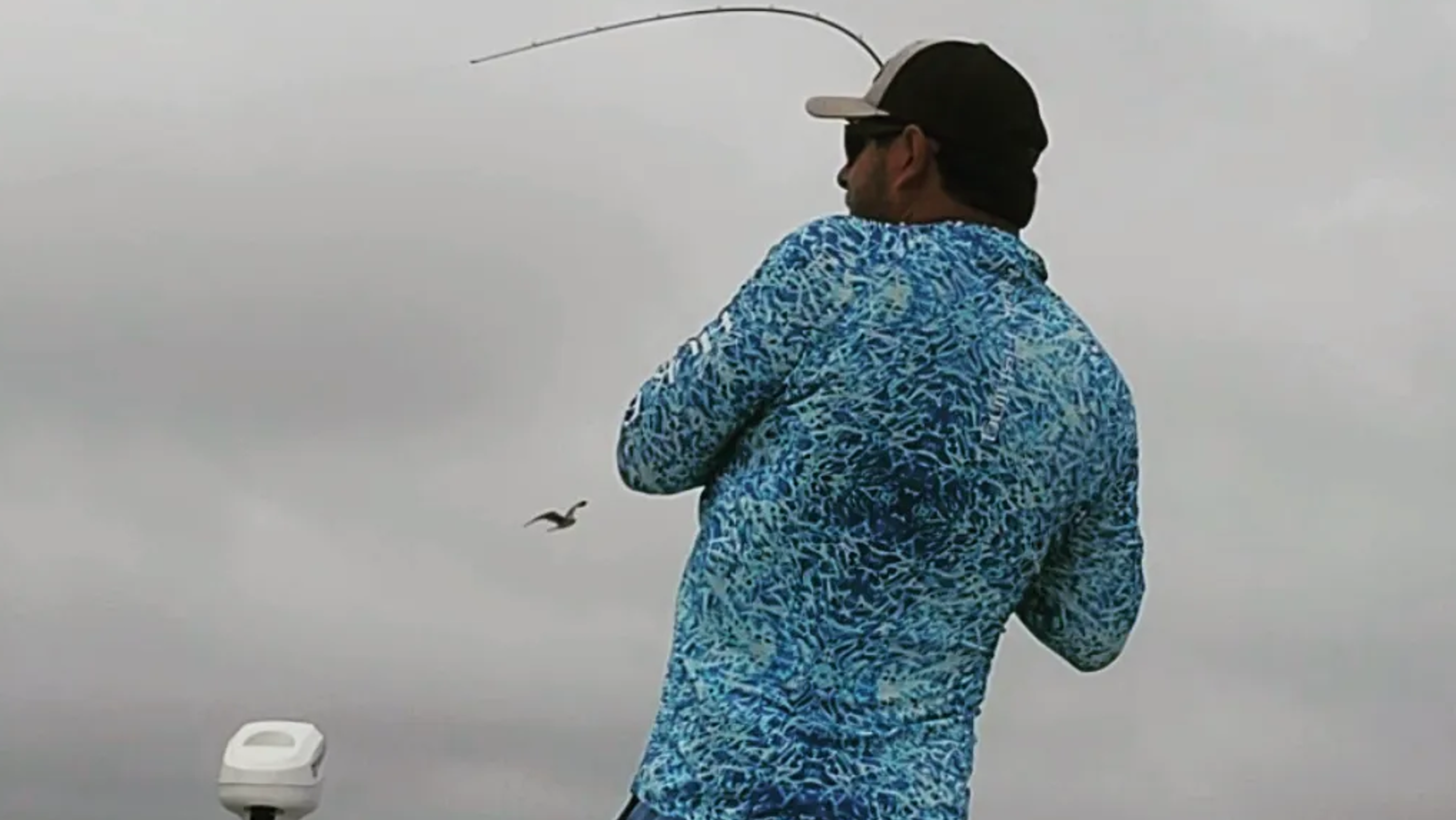
Meet your Captain Jonathan Dugi
- Tight Lines Fishing Welcomes You To Port O Connor


Summary
Join a fishing charter in Point Comfort on Saturday, July for an opportunity to target red snapper and bonnethead sharks in coastal Texas waters. Captain Jonathan Dugi of Tightlines Guide Service specializes in productive offshore and nearshore fishing that consistently delivers quality catches and memorable experiences.
Fishing Charter with Captain Jonathan Dugi - Rates & Booking
Captain Jonathan Dugi of Tightlines Guide Service runs focused fishing charters from Port O'Connor, targeting the productive waters around Point Comfort, Texas. On Saturday, July, you'll experience a guided fishing charter designed to put you on quality fish and teach you proven techniques for offshore and nearshore success.
Tightlines Guide Service structures trips around what the fish are doing and water conditions on your chosen date. Whether targeting red snapper on nearshore reefs or hunting bonnethead sharks in deeper water, Captain Dugi positions the boat strategically and provides tackle setups matched to current conditions. This charter experience includes professional guidance, local knowledge, and access to proven fishing grounds that aren't easily found without a guide.
To book your fishing charter or learn about specific inclusions and rates, contact Tightlines Guide Service directly. Captain Dugi schedules trips year-round and can customize your experience based on your fishing goals and experience level.
Highlights of This Fishing Experience
Red snapper fishing around Point Comfort offers consistency and excellent opportunity. These fish hold structure on nearshore reefs and respond well to live and cut bait presentations. Bonnethead sharks add excitement to any trip, and their presence indicates healthy, productive water structure. The combination delivers solid action and keeps anglers engaged throughout the day.
The Port O'Connor area has earned a reputation for reliable red snapper populations and accessible offshore structure. Captain Dugi's familiarity with seasonal patterns, tidal movements, and specific productive zones gives you a significant advantage over casual anglers navigating these waters alone.
Local Species Insights: Red Snapper and Bonnethead Sharks
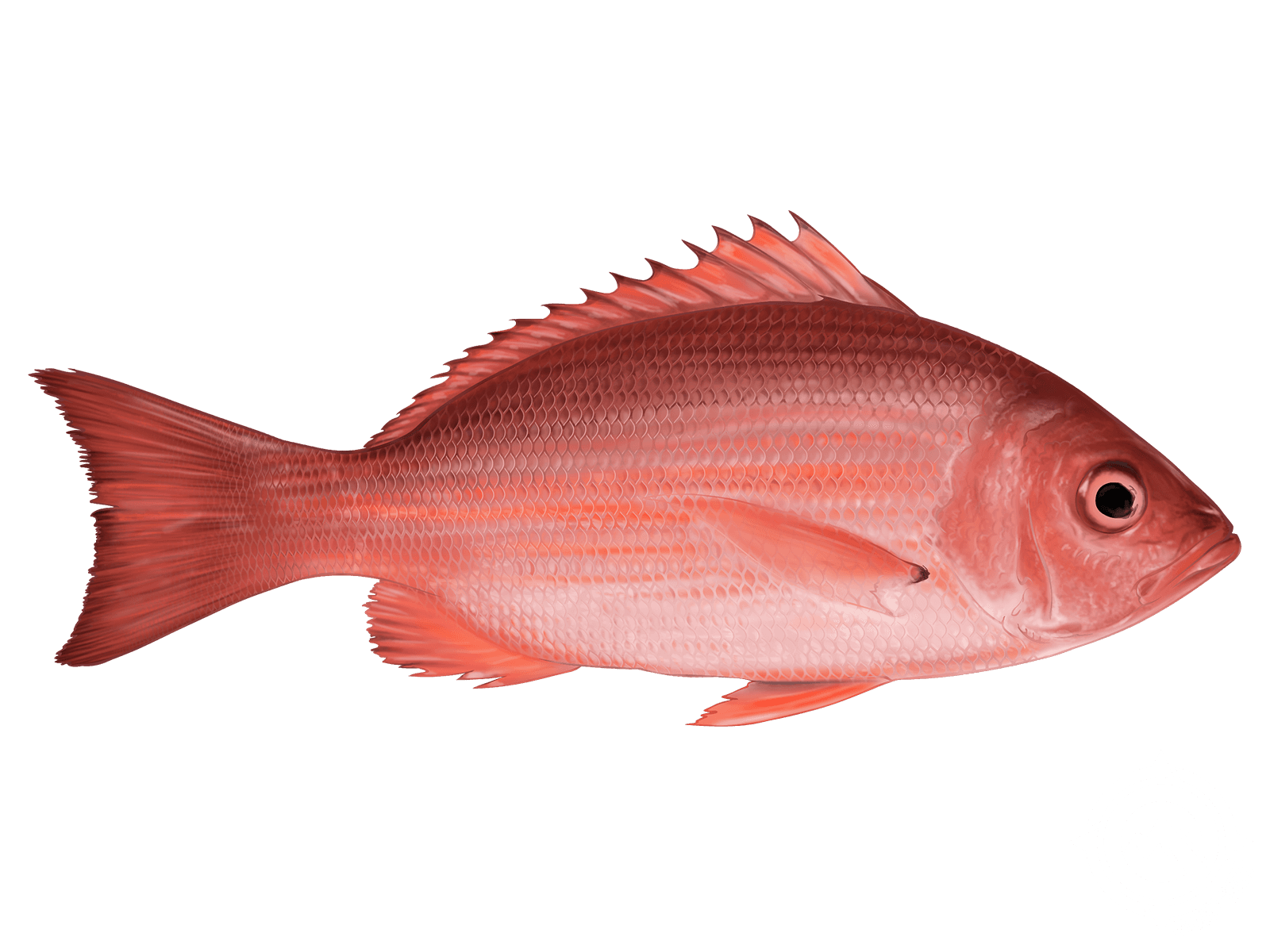
Red snapper are the foundation species for Gulf Coast charter fishing. These deep-bodied fish inhabit reef systems, structure, and hard bottom areas throughout the Texas coast. They're aggressive feeders, respond quickly to chum and bait, and provide solid fight on appropriate tackle. Red snapper typically range from two to eight pounds on nearshore trips, though larger fish inhabit deeper offshore structure. Their red coloring and distinctive body shape make them instantly recognizable, and they're highly regarded as eating fish - a bonus after an active day on the water.
Bonnethead sharks are smaller, more docile sharks that inhabit coastal zones and nearshore structure. Their distinctive hammer-shaped head sets them apart immediately, and they're often an unexpected bonus catch rather than a primary target. Bonnetheads are curious, relatively common in the Point Comfort area, and provide an exciting alternative to snapper when they're active. Landing a shark adds variety and story to your charter experience.
The Port O'Connor area supports both species year-round, though seasonal patterns influence their abundance and behavior. Summer months typically see strong red snapper activity as these fish move into shallower, more accessible structure. Water temperature, tidal flow, and bait availability all influence feeding patterns. Captain Dugi monitors these conditions continuously and adjusts positioning and presentations to match what the fish are doing on any given day.
Understanding where these species congregate, what triggers their feeding response, and how to present baits effectively separates a productive day from a frustrating one. Professional guides like Captain Dugi have spent hundreds of hours decoding these patterns, identifying productive locations, and teaching anglers the fundamentals that drive consistent results.
Nearshore fishing in this region combines accessibility with genuine opportunity. You don't need hours on the water to connect with quality fish. The reef systems and structure around Point Comfort are reachable in reasonable time, allowing more actual fishing time compared to distant offshore trips. This makes the experience efficient and satisfying for anglers of all skill levels.
Fishing in Port O'Connor, TX: Red Snapper
The Bonnethead Shark (Sphyrna tiburo) belongs to the family Sphyrnidae within the order Carcharhiniformes, making it the smallest member of the hammerhead family. What sets this fascinating shark apart is its distinctive spade-shaped head that looks more like a shovel than the pronounced hammer of its larger cousins. Unlike the fearsome reputation of many sharks, bonnetheads are surprisingly timid creatures that pose virtually no threat to humans, with only one recorded attack in history. These greyish-brown sharks with white undersides are a favorite among anglers due to their spirited fight and accessibility from shore, making them perfect for both novice and experienced fishermen looking for an exciting offshore adventure.
Bonnethead Shark Overview
Standing out as the most approachable member of the hammerhead family, these sharks have earned a reputation as the "gentle giants" of shallow coastal waters. They're commonly found swimming in schools of 10-15 individuals, especially during migration seasons when they move between their northern and southern ranges. What makes them particularly interesting to marine enthusiasts is their unique sexual dimorphism - females grow larger and have rounder heads, while males develop a distinctive bulge on top of their cephalofoil. This makes them the only shark species where you can easily distinguish between sexes just by looking at their head shape.
Bonnethead Shark Habitat and Distribution
These coastal wanderers thrive in the warm waters of the western Atlantic, ranging from North Carolina down through the Gulf of Mexico, with populations also found along southern California's coast. They prefer shallow waters near beaches, bays, estuaries, and tidal channels where their preferred prey is most abundant. During summer months, you'll find them venturing as far north as the Carolinas, but as temperatures drop, they migrate south to Florida and Gulf waters. Their preference for nearshore environments means you won't need to venture far offshore to encounter these sharks, making them accessible to shore-based and small boat anglers alike.
Bonnethead Shark Size and Weight
Most bonnetheads range between 24 to 48 inches in length, though exceptional specimens can reach up to 59 inches. The current record holder weighed an impressive 28 pounds and measured over four feet long, caught by a 13-year-old angler named Carter Wells off Halifax River, Florida. Females typically outgrow males, averaging closer to the upper size ranges, while males usually stay on the smaller end of the spectrum. Their weight generally ranges from 13 to 28 pounds, making them a manageable yet exciting catch for anglers of all experience levels.
Bonnethead Shark Diet and Behavior
These opportunistic feeders have a diverse palate that includes small fish, crustaceans like crabs and shrimp, and various mollusks. Their feeding strategy relies heavily on electroreception, using specialized organs to detect the electrical fields generated by their prey hiding in sandy bottoms. Unlike solitary sharks, bonnetheads are highly social, rarely seen swimming alone and often forming schools during feeding and migration periods. They're most active during dawn and dusk hours, making these prime times for anglers to target them. Their shy nature means they'll often flee when they sense human presence, but once hooked, they transform into spirited fighters that will test your tackle and patience.
Bonnethead Shark Spawning and Seasonal Activity
These sharks exhibit fascinating reproductive behavior, with females capable of storing sperm for months until environmental conditions are optimal for their young's survival. They're viviparous, meaning pups develop inside the mother and are born live after a gestation period. During pupping season, pregnant females move to extremely shallow waters to give birth, while males wisely relocate to deeper areas to avoid accidentally preying on their own offspring. This seasonal movement creates predictable patterns that experienced anglers can exploit, with the best fishing typically occurring during their spring and fall migrations when large schools are on the move.
Bonnethead Shark Techniques for Observation and Capture
Success with these sharks requires medium-heavy tackle spooled with at least 20-pound test line, paired with a 3-4 foot wire or heavy monofilament leader to prevent bite-offs. A sliding sinker rig with large circle hooks works best, allowing the bait to move naturally while providing solid hooksets. Fresh chunked blue crab is absolutely deadly - cut the crab in half and thread the hook through a leg joint for maximum appeal. Around popular fishing destinations, look for them in 3-10 feet of water over sandy bottoms near grass flats and channel edges. The key is patience and persistence, as these fish can be finicky feeders but once you locate a school, the action can be non-stop.
Bonnethead Shark Culinary and Utilization Notes
While bonnethead sharks are edible, they're generally considered to have average food quality compared to other gamefish. The meat is firm and mild-flavored but requires proper handling immediately after capture to prevent the ammonia taste common in shark species. Many anglers prefer to release these sharks due to their important ecological role and relatively slow reproductive rate. When properly prepared - skinned, soaked in milk, and grilled or blackened - they can make a decent meal, though they're often more valuable as a sporting fish and conservation success story.
Bonnethead Shark Frequently Asked Questions
Q: What is the best bait for catching bonnethead sharks?
A: Fresh chunked blue crab is by far the most effective bait. Cut the crab in half and hook it through one of the legs to keep it secure while allowing natural movement. Live or fresh dead shrimp and small baitfish also work well, but nothing beats crab for consistent results.
Q: Where can I find bonnethead sharks near coastal areas?
A: Look for them in shallow waters between 3-10 feet deep over sandy bottoms near grass flats, channel edges, and tidal creeks. They prefer areas where the bottom transitions from sand to grass, as this is where their favorite crustacean prey congregates.
Q: Are bonnethead sharks good to eat?
A: They're edible but considered average quality compared to other gamefish. The meat is mild and firm but requires immediate proper handling. Many anglers practice catch-and-release due to their ecological importance and the abundance of better-eating fish species in the same waters.
Q: When is the best time to catch bonnethead sharks?
A: Dawn and dusk are prime feeding times, with spring and fall migrations offering the best action when schools are moving through. Summer months provide consistent fishing in northern ranges, while winter fishing is best in southern Florida and Gulf waters where they overwinter.
Q: What tackle do I need for bonnethead fishing?
A: A medium-heavy spinning or conventional setup with 20-30 pound test line, wire or heavy mono leader, sliding sinker rigs, and large circle hooks will handle these fish effectively. Don't go too light - they're stronger than their size suggests and will test your drag system.
Q: Are bonnethead sharks dangerous to humans?
A: They're considered one of the safest shark species to encounter, with only one recorded attack on humans in history. They're naturally shy and will typically flee when they detect human presence, making them more of a prize for patient anglers than a safety concern for swimmers.